14/05/26
Urban theatre
Leandro Madrazo
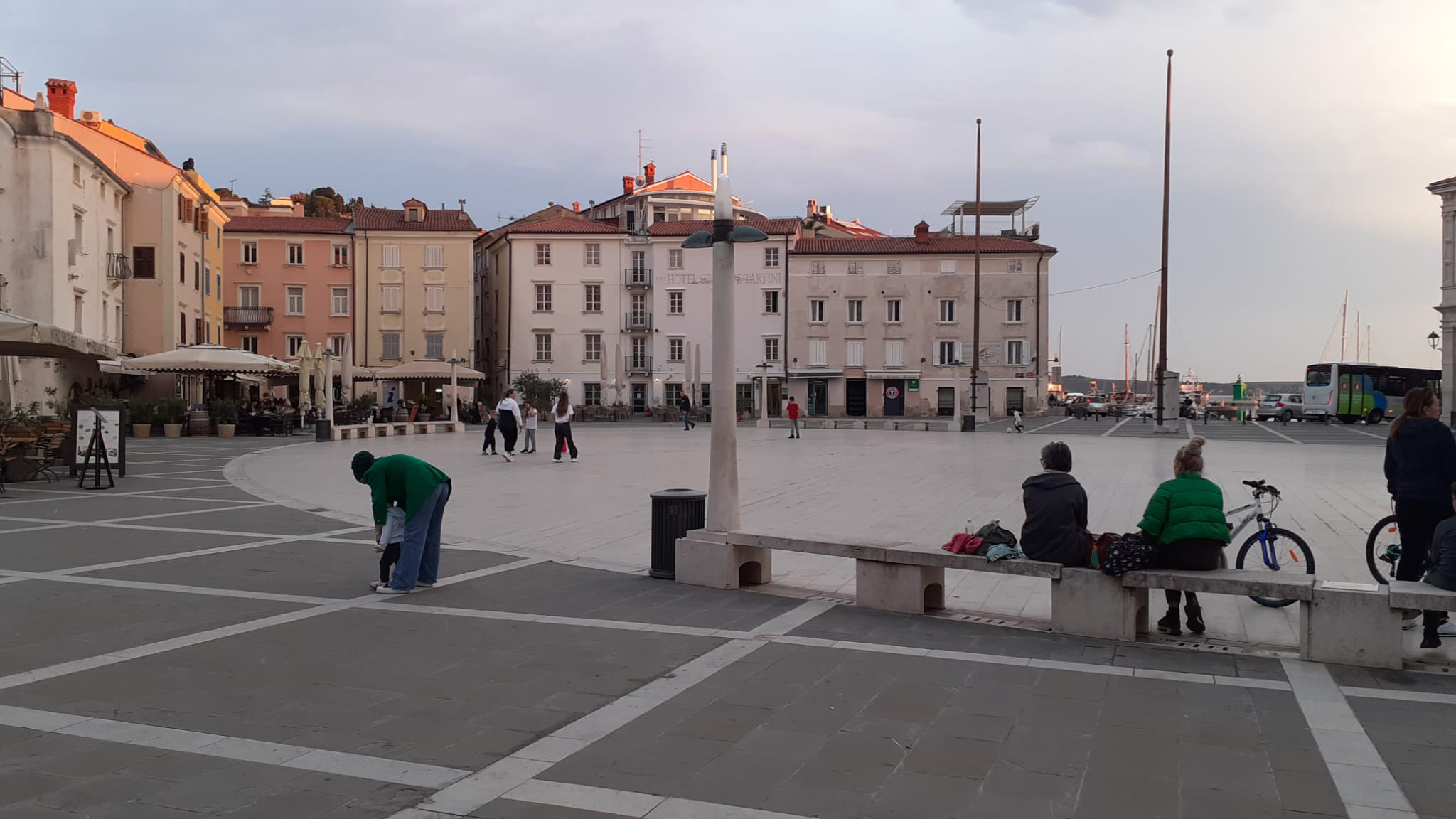
In The Concise Townscape (1961), Gordon Cullen understands public space as a place shaped through the relationship between centre, edge, movement, and perception. Tartini Square appears as an enclosed civic stage defined by the continuous façades surrounding it, while remaining visually open toward the sea and the horizon line. The contrast between the dense architectural border and the expansive paved surface creates what Cullen describes as “exposure and enclosure” — a spatial tension that gives emotional character to urban space.
People crossing the open centre of the square appear exposed within the large civic void, while others seated along the perimeter occupy positions of observation and retreat. The benches along the edge act as thresholds between participation and spectatorship, turning the square into what Cullen might describe as a “drama of juxtaposition.” The open pavement becomes a field of movement and encounter, while the architectural edges provide containment, orientation, and visual continuity.
The spatial arrangement of the square heightens the observer’s awareness of position within the environment. From the foreground benches to the distant harbour edge, the viewer experiences depth, direction, and orientation through the positioning of bodies and built elements. The paving lines guide movement across the square toward the waterfront, while the vertical poles and surrounding façades establish rhythm and spatial order.
The foreground seating area establishes the “Here” of pause and observation, while the harbour and maritime horizon form the distant “There” toward which the space opens.
14/05/26
Herman Pečarič Gallery by the Sea
Ljudmila Koprivec
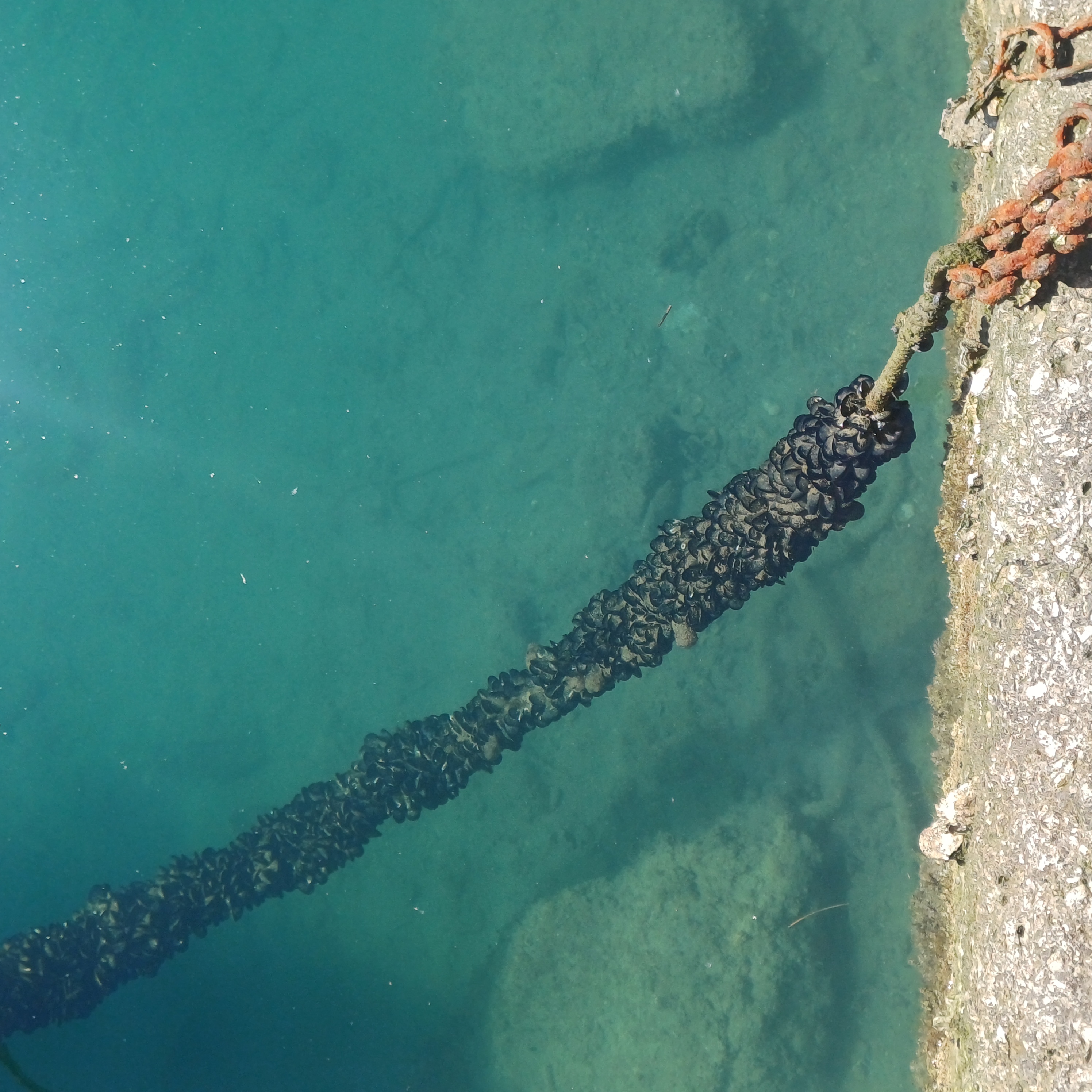
The sea connects us. If we put our hands in the sea in Barcelona, Split, and Piran at the same time, we are all connected in real time, even if we are far apart by land.
A happy life on land is inseparable from the sea. Let us be mindful of the oceans so we can thrive in the coastal cities we inhabit.
14/05/26
Town and Sea, Urban Form and Memory
Leandro Madrazo
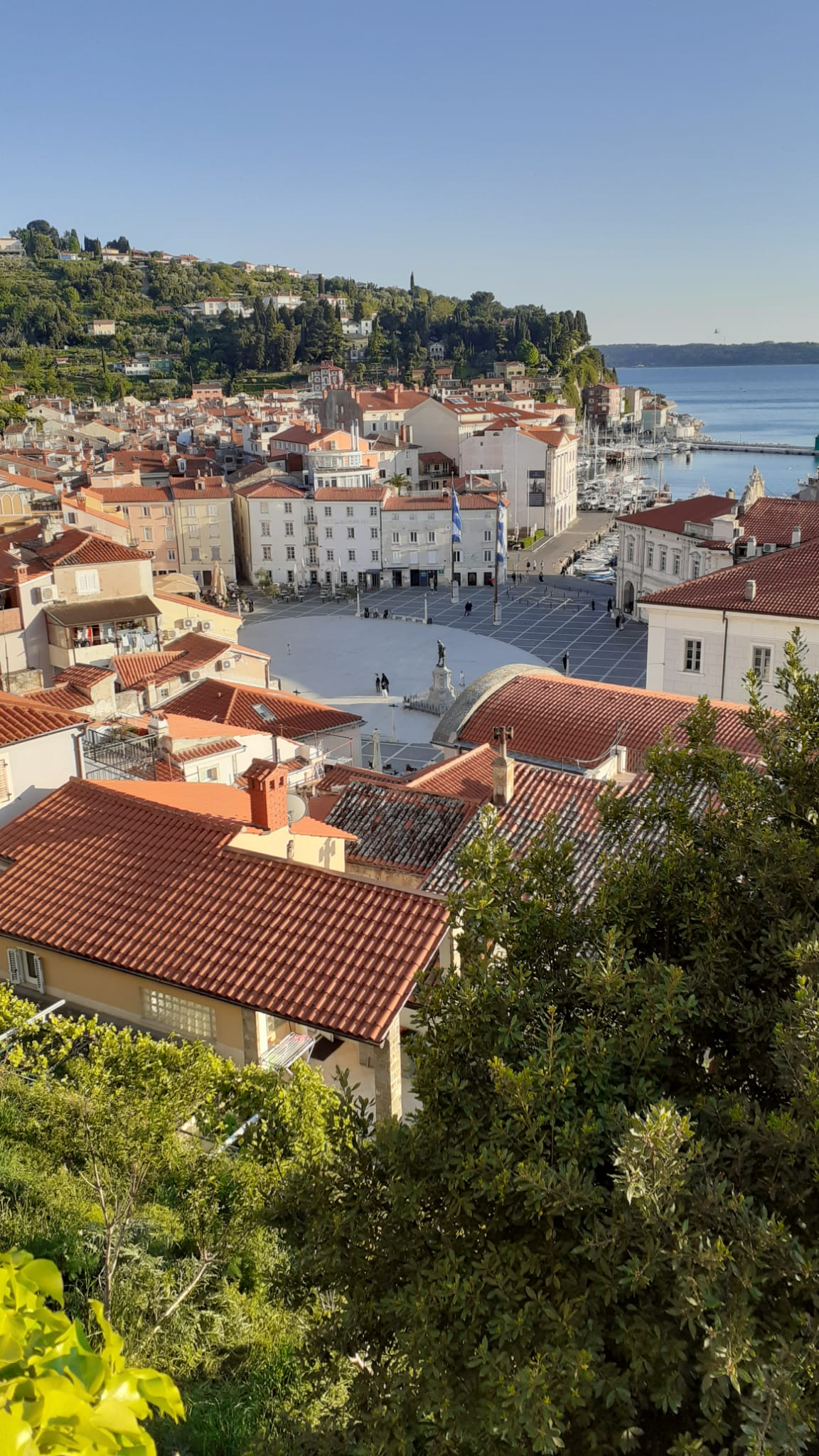
Piran emerges as a meeting point between urban fabric and sea. At its centre, Tartini Square appears as an extension of the waterfront, as if the sea itself had become urbanised; the arc of the elliptical pavement recalls a wave entering the town. The monument to Giuseppe Tartini gives symbolic focus to the square, embodying the cultural identity and historical memory of Piran. Positioned along the axis between sea and town, it appears almost to float between them, mediating between civic space and the maritime horizon.
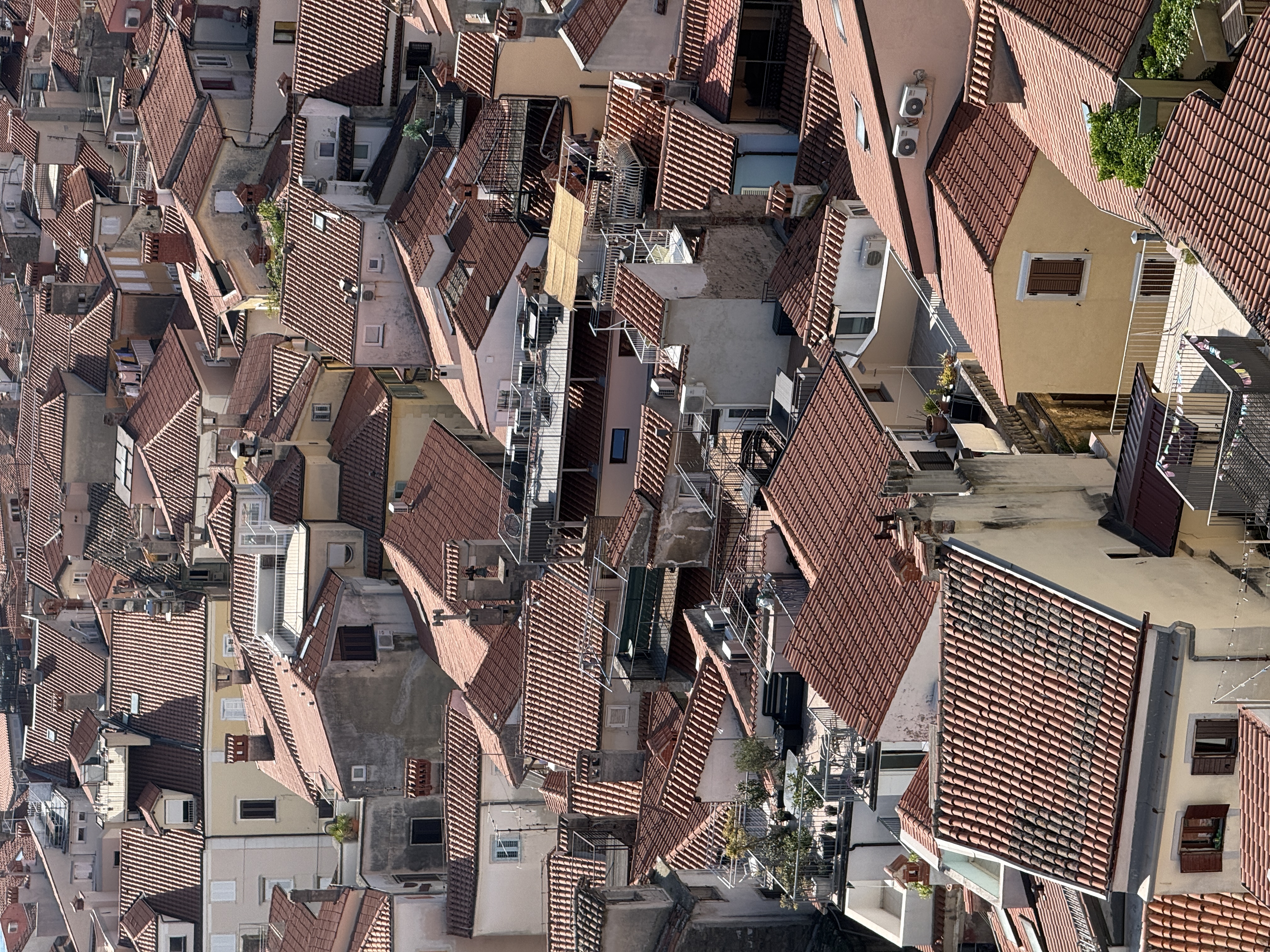
From the elevated viewpoint, the topography of the town is revealed through cascading roofs and streets descending toward the harbour, emphasising Piran’s adaptation to the hillside and its dense Mediterranean urban character. Although absent from view, St. George's Parish Church remains implicitly present behind the observer. The church anchors the perspective and recalls the historical role of religious authority overlooking both civic and maritime life.
In the background, the Istrian Peninsula defines the distant horizon, framing the town between the sea and the wider landscape of the Adriatic, while recalling the maritime and commercial routes that long connected Piran to the coastal towns of Istria and the Venetian world.
13/05/26
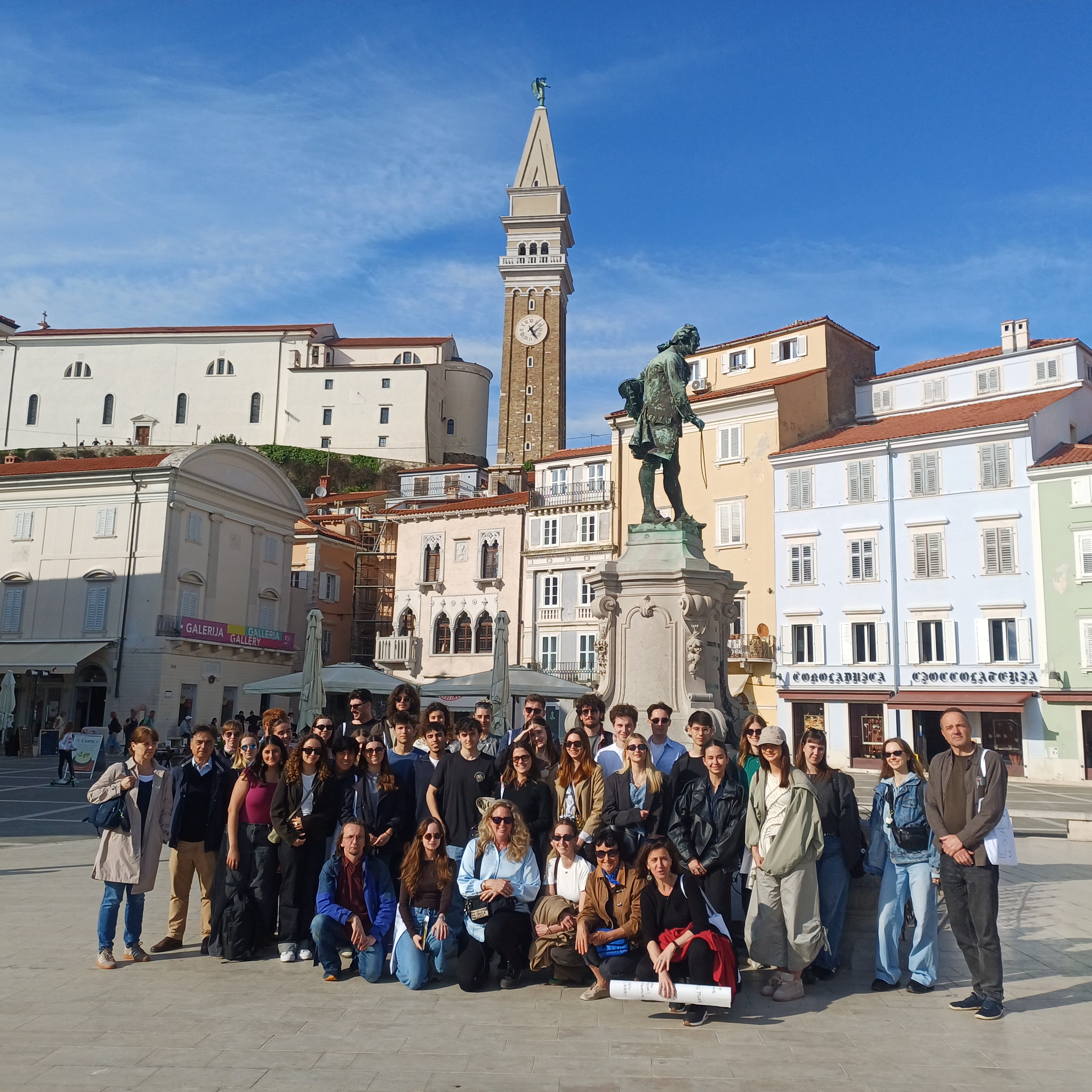
Tartini Square
Ljudmila Koprivec
Being part of the BIP Piran Programme and seeing students develop new ideas together was an inspiring experience. Thank you all!
17/06/25
My personal mediterraneanization of germany
Jan
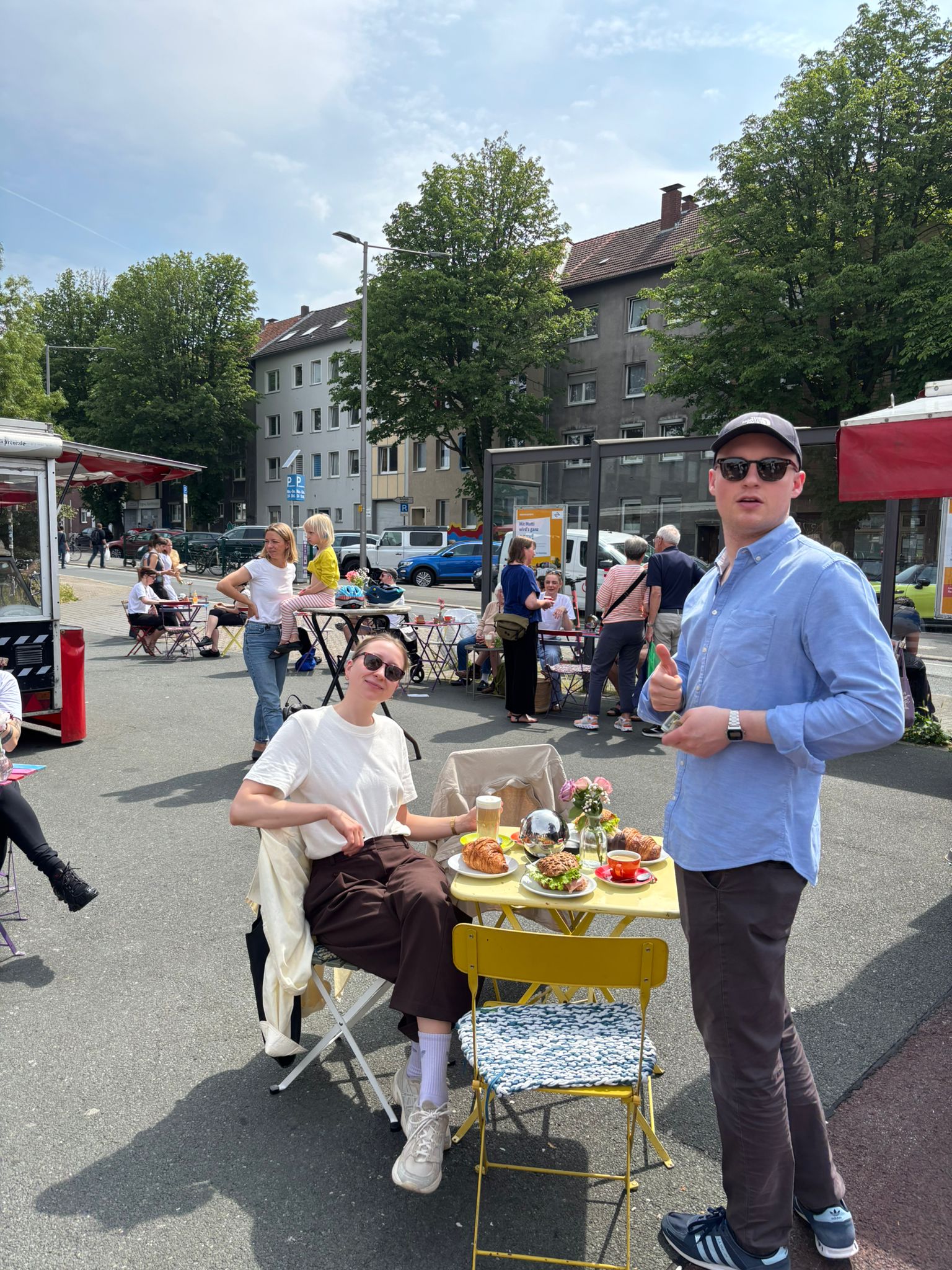
Buddenbergplatz (Buddenberg-square) is a main square on the backside of Bochum main station which has no specific purpose most of the time, but twice a week it is transformed into a farmers market also including coffee and pastry stands.
During that days, it becomes a vivid meeting point for the neighborhood and represents a growing desire of the german public for outdoor coffee spaces, street markets and other meeting points, also called Mediterraneanization.
17/06/25
Čikplac druga
MGosak
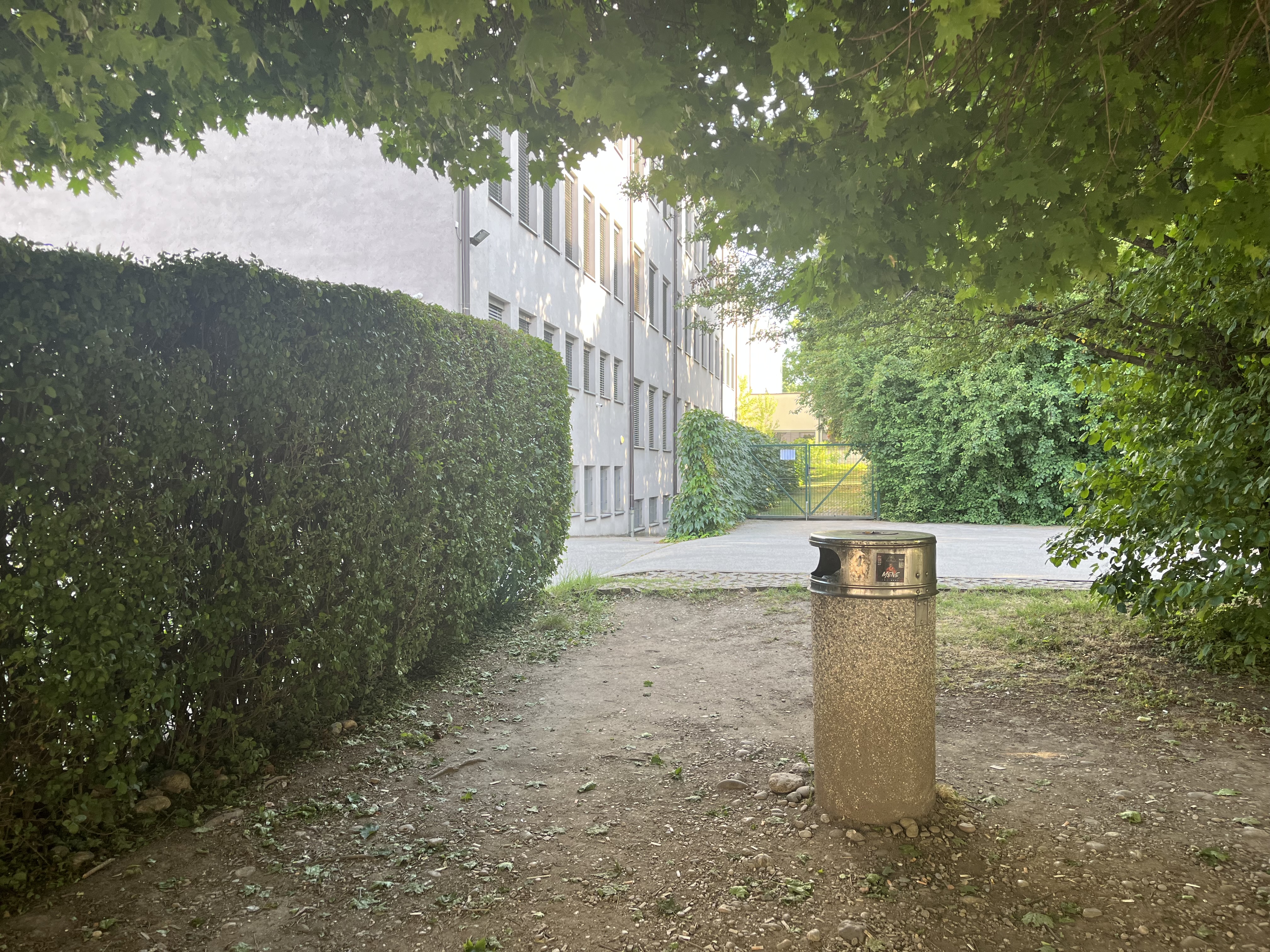
When I was at my high school, smoking culture was big. We used to have a smoke spot, that was sold by the school to the municipality, so that smoking was legal, by not technically being on school grounds.
Why this smoke spot is interesting to me is the annual metamorphosis from being a space to being a place. On September 1st, when school starts, students inhabit the grassy land, use it, hang out, smoke, throw cigarette buts on the ground... slowly the grass gets so beat up it stops growing, winter creeps in and takes away the shade from the trees, the space gets kind of empty and sad. But what keeps it going are constant groups of students hanging about and inhabiting the place. It is therefore alive. When spring comes and grass starts to grow in the surrounding land, the ground stays full of dirt and cigarette buts on the smoke spot (čikplac), which still indicates the presence of inhabitants. When summer comes and school ends, cigarette buts are removed (cleaned probably), grass starts to grow, trees throw more and more shade, the space gets more ambiental but uninhabited, awaiting its awakening on September 1st.
17/06/25
Thessaloniki
Melina
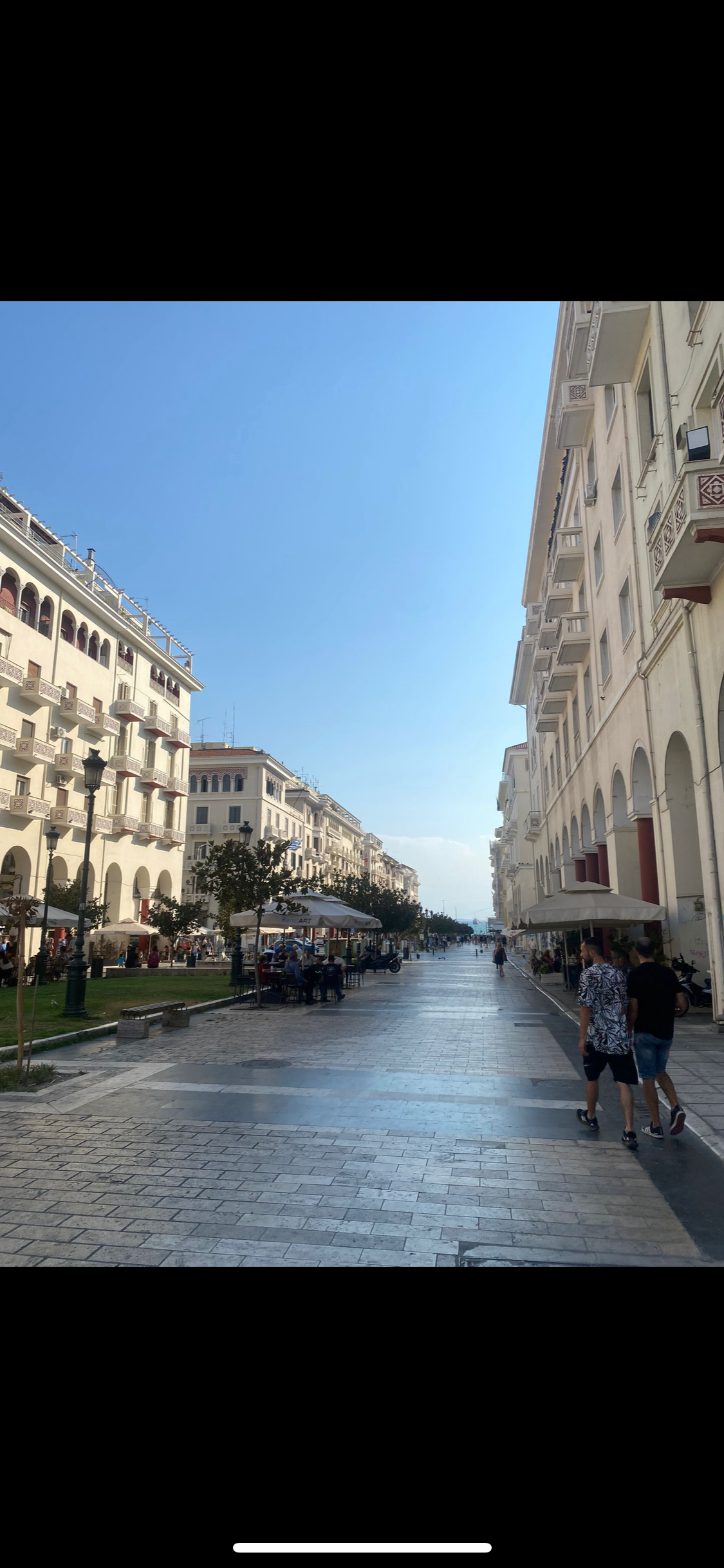
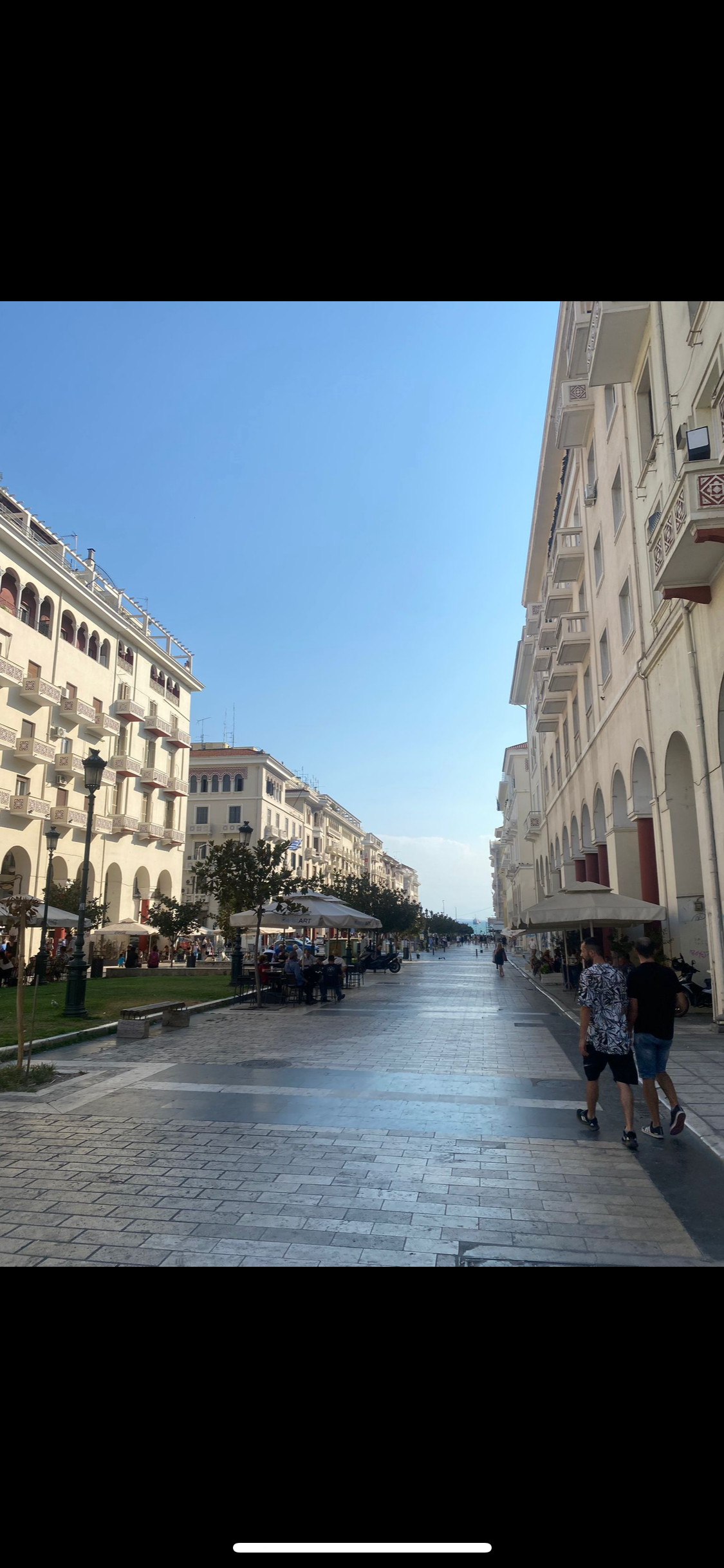
The Aristoteles Place in Thessaloniki is One of the Most famous Places of the City. When you sit there you Are reminder of the glory from a past age (before Crisis). When I sit there and Drink a Coffee I am reminded of my childhood. Objectively it is Not that nice to spend time there because there is no trees and also very known for Crime, but still Its deeply Connected to my childhood.
17/06/25
Nostalgia
Deya
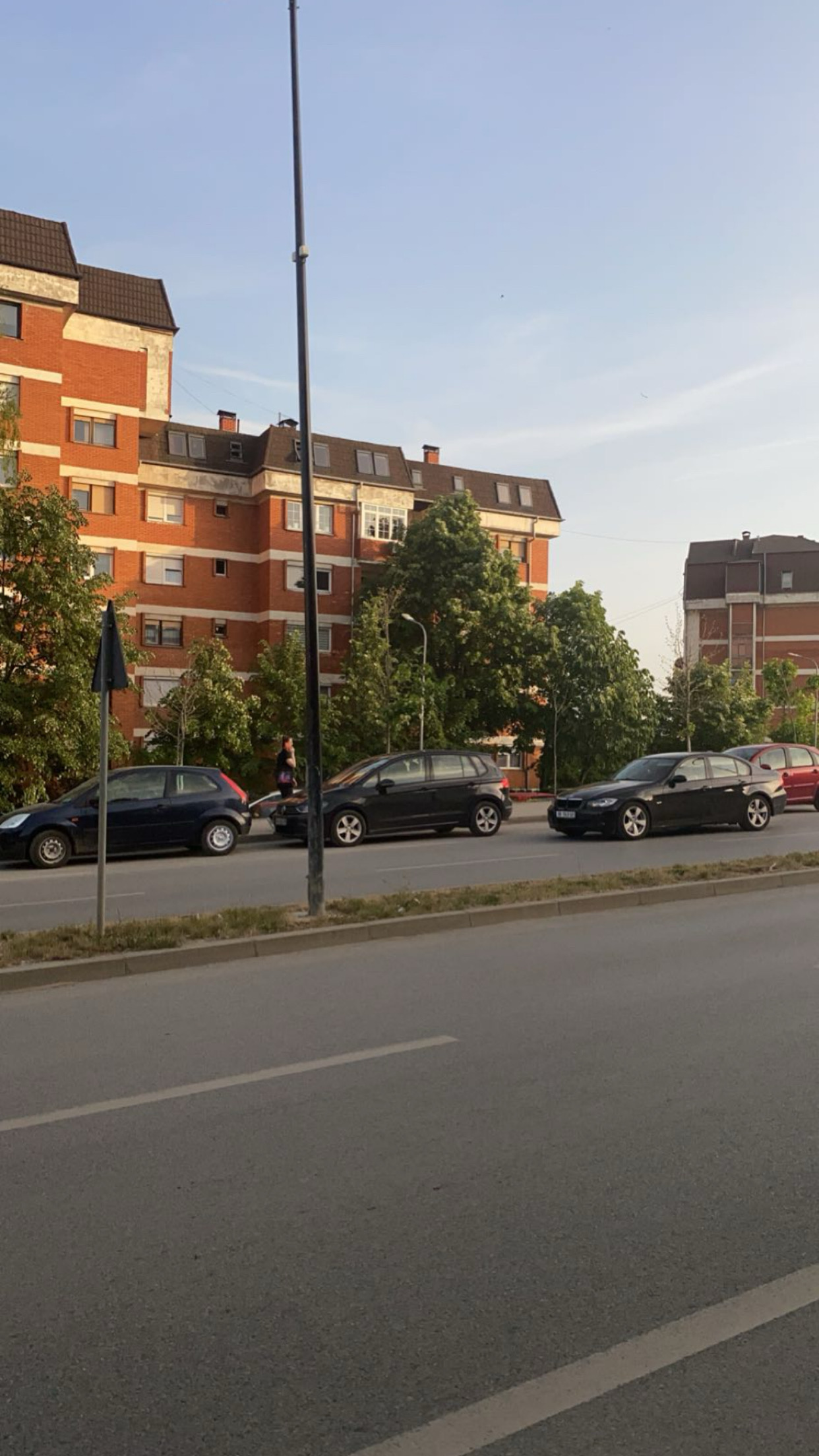
This place took a lot of my memories. From a design standpoint the building may appear typical but to me it's a symmetry and use a red brick always felt familiar. It's where I spend my childhood and it gives me a strong feeling of nostalgia.
This architectural typology was common across the urban landscapes of Former Yugoslavia .
The structure , bricks , red blocks all of these connect a trajectory line of the neighbourhood that is called 'Sunny Hill'
The urban planning took a time to project but everything had solve and it doesn't need any interventions cause the function is perfect on it's own.
17/06/25
Coffee in a public Place
Melina
This is Aristoteles-Place in Thessaloniki. My mother is from Thessaloniki and I spend a lot of time there. You can Drink a Coffee there, Even if Its very Hot and there Are just a few trees. It is very loud and there is some Crime too, but I still Like it a lot.
16/06/25
High in the castle
Marti Jou
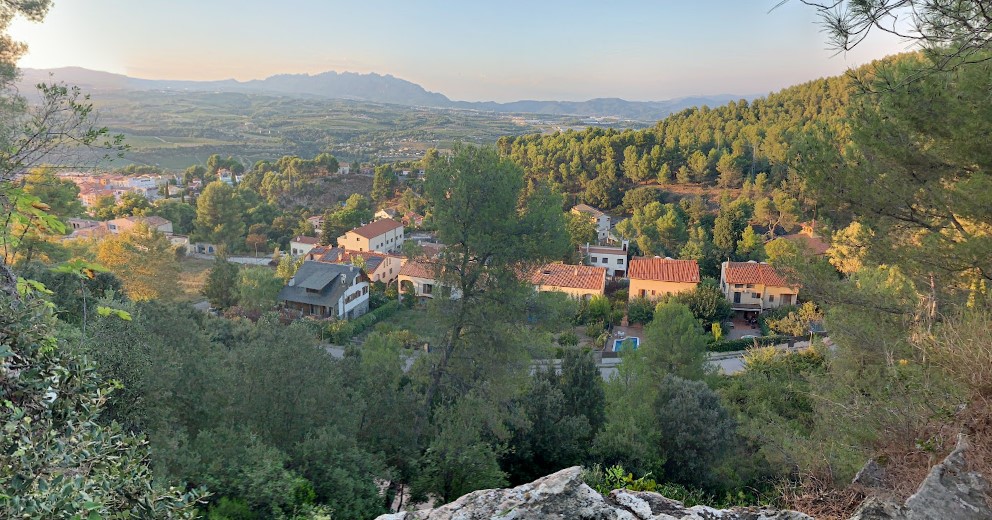
This is a place I used to go to when I was a child, together with my friends. It's a large stone next to the castle in my hometown. We used to spend many summer afternoons there, just enjoying the time and each other’s company. Usually, we would ride our bikes around the mountain trails, exploring the area, and eventually end up resting on this stone. It became a kind of meeting point for us. Every time I think of it, it brings back so many warm memories of my childhood—of freedom, friendship, laughter, and long summer days.
16/06/25
Oj Triglav moj dom/Hey Triglav my home
Lovro
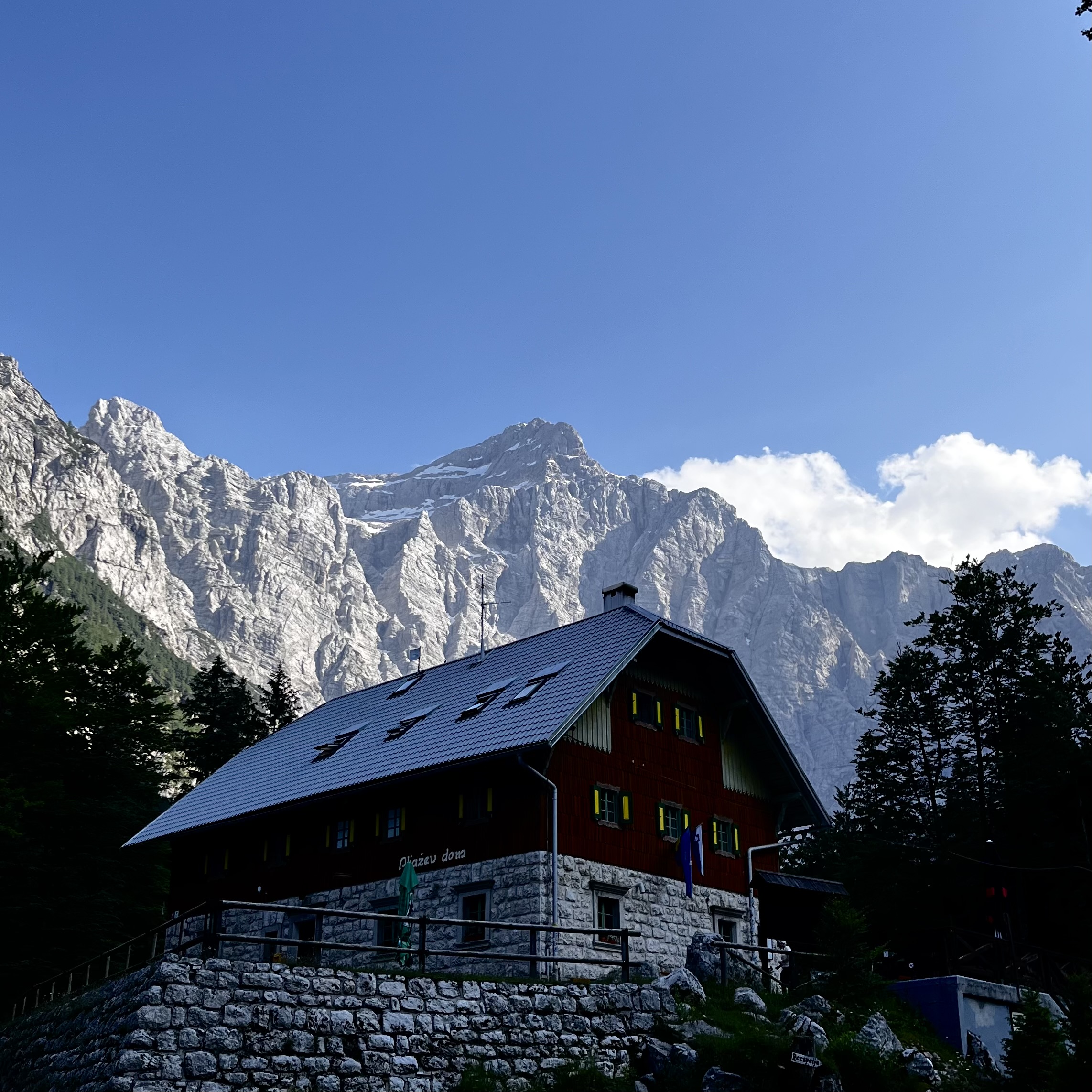
"Oj Triglav moj dom" is a popular song by Laibach, a Slovenian band, which describes the feelings our people have towards this mountain.
It is the highest in Slovenia with height of 2864m. It is our national symbol, its on our flag and they say you are not a true Slovenian if you havent climbed it at least once.
I have recently visited Triglav with my girlfriend (not for the first time) and it was a very pleasant although tirinig experience. Because it was early in the season there were very few people and the wearher was perfect.